The Chai Blueprint: Building a Restaurant-Grade Masala Chai in Your Own Kitchen
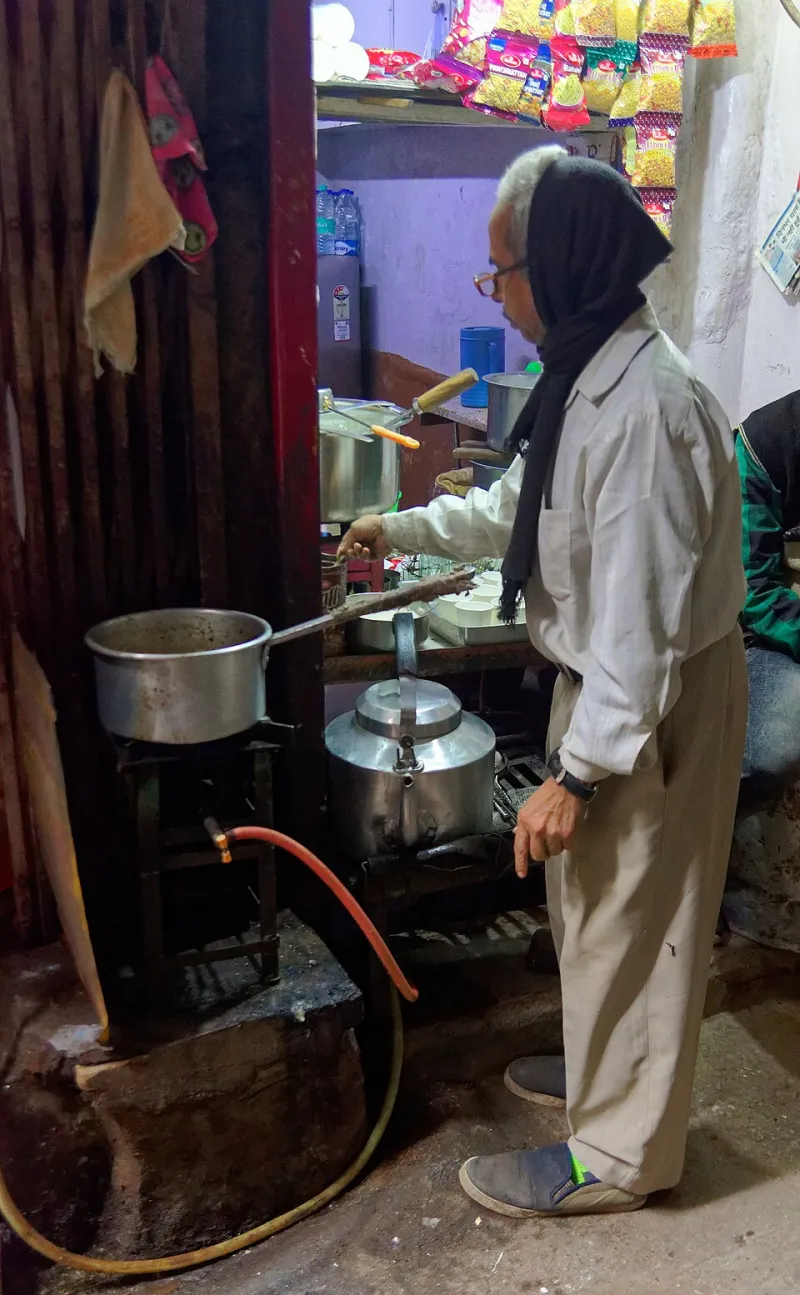
Photo: Jakub Hałun, CC BY-SA 4.0, via Wikimedia Commons
Every good Indian restaurant in America has the same secret hiding in plain sight. It's not the saag paneer or the garlic naan — it's the chai. That mug of spiced, milky tea arrives at your table tasting like something your home kettle simply cannot produce. Here's the truth: it can. Masala chai is one of the most forgiving recipes in the entire Indian repertoire, and once you understand the logic behind it, you'll stop paying $6 for a "chai latte" that's mostly syrup.
Why Your Homemade Chai Tastes Flat
Most first attempts fail for one of three reasons, and none of them are your fault — nobody hands you the blueprint.
Mistake #1: Sprinkling ground spices into finished tea. Ground cardamom and ginger added at the end float on top and taste dusty. Chai spices need time in hot liquid to release their oils.
Mistake #2: Using tea that's too weak. American grocery store tea bags are built for a quick 3-minute steep. Chai requires a vigorous boil with milk, which dilutes everything. You need strong loose Assam or CTC tea — the same style used across India — or two bags of the strongest black tea you own.
Mistake #3: Boiling the milk first. Milk added too early scalds, skins over, and mutes the spices. Order of operations matters.
The Core Equation
Think of masala chai as a ratio, not a recipe. For two generous mugs:
- 1 cup water
- 1 cup whole milk (2% works, but whole milk gives you that creamy body)
- 2 teaspoons loose black tea or 2 strong black tea bags
- 2 teaspoons your chai spice mix (recipe below)
- 1-inch piece fresh ginger, smashed
- Sugar or honey to taste
The method: boil the water with the spices and ginger for a full 3–5 minutes. This is the step everyone skips, and it's the entire game. Then add the tea, boil one more minute, pour in the milk, and bring it back to a rolling boil — letting it rise up the pan once or twice before pulling it off the heat. Strain into mugs. That repeated boiling is called "cutting" the chai, and it's what creates the frothy, concentrated flavor.
Build Your Make-Ahead Chai Masala
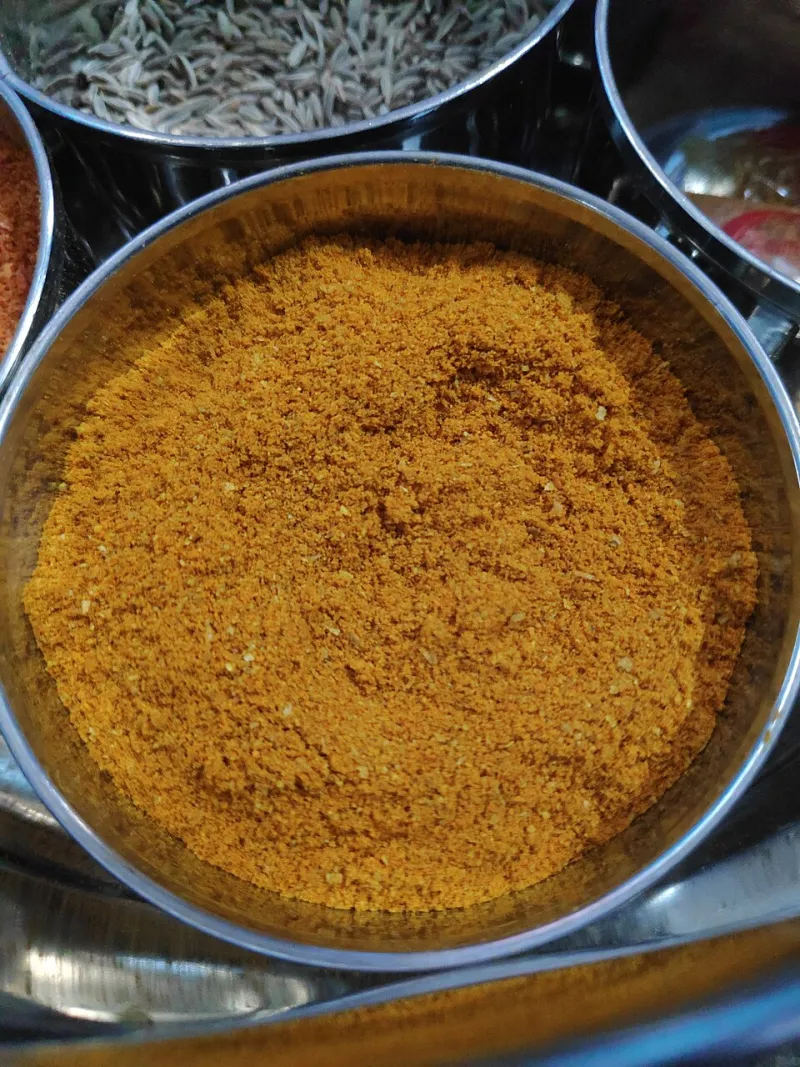
Whip up a small jar of this blend on a Sunday and weekday chai takes five minutes:
- 2 tablespoons green cardamom pods
- 1 tablespoon whole cloves
- 1 cinnamon stick, broken up
- 1 teaspoon black peppercorns
- 1 teaspoon fennel seeds
- ½ teaspoon ground dried ginger (plus fresh ginger at brew time)
Toast everything in a dry pan for 60 seconds until fragrant, cool completely, then grind fine. Store airtight, away from the stove's heat. It keeps its punch for about two months.
Three Ways to Brew It
Stovetop (the classic): Follow the equation above. This is the gold standard — the boil is the flavor.
Slow cooker (for a crowd): Combine 6 cups water, 3 tablespoons spice mix, and a knuckle of ginger on low for 2 hours. Add 6 tablespoons tea, steep 10 minutes, then stir in warmed milk and hold on warm for brunch. Perfect for Diwali parties or a fall weekend with football on.
Iced masala chai (for July): Brew a double-strength batch on the stovetop, chill it, and pour over ice with a splash of cold milk. The spice blend holds up beautifully cold — cardamom and fennel shine in a way they don't when hot.
Dial In Your House Blend
Once you've made the base version twice, start adjusting. More ginger and peppercorn if you like a sinus-clearing kick. Extra fennel for a sweeter, softer cup. Some families add a star anise or a pinch of nutmeg — there's no single "correct" masala chai, only your family's version. That's the whole point of the tradition: the chai recipe is a starting point, and the pot on your stove is where it becomes yours.
One last tip: buy whole spices whenever you can. Cardamom pods ground fresh smell like a different spice entirely compared to the jar that's been open since last Thanksgiving. Your future self, holding a steaming mug on a cold Tuesday morning, will thank you.