Mac and Cheese Meets Its Match: Comfort Food Classics That Secretly Want to Be Indian
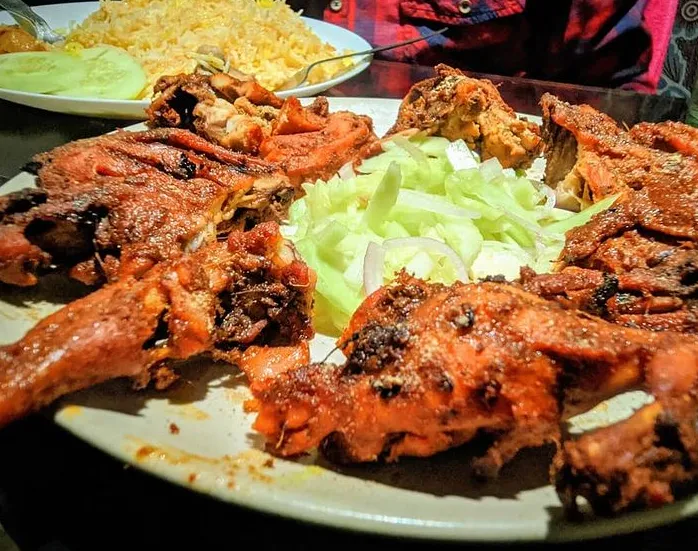
Photo: SuvranilDebnath, CC BY-SA 4.0, via Wikimedia Commons
There's a moment every spice lover eventually has: you're standing in your kitchen, three bites into a grilled cheese, thinking, this is great, but what if it tasted like my favorite restaurant?
Good news. American comfort food is basically a blank canvas with a dairy problem — and masalas fix exactly that. Cheese, butter, cream, and crispy fried coatings are flavor sponges. They don't fight spices; they carry them. That's why Indian-spiced comfort mashups work so well, and why your hesitant-to-try-Indian-food roommate will devour a masala grilled cheese without asking a single question.
Here's how to give four weeknight classics the royal treatment.
The Grilled Cheese That Wears a Crown
Start with the easiest win. A sharp cheddar or a cheddar–Monterey Jack blend on sourdough is already halfway there. Before you butter the bread, mix a generous pinch of your tandoori masala into softened butter and spread it on the outside of each slice.
The result: a smoky, brick-red crust with a molten, buttery middle. It tastes like the world's most interesting cheese toast, and nobody will guess it took eleven seconds of extra effort.
Pro move: Add a thin slice of tomato and a sprinkle of chaat masala inside for tang. Game night's new MVP.
Mac and Cheese, But Make It Mughlai
Mac and cheese is a cream sauce wearing a pasta costume — which means it's practically begging for a warm, aromatic garam masala.
Melt your butter, then bloom half a teaspoon of garam masala (plus a pinch of turmeric for color) in it for thirty seconds before making your roux. Blooming in fat is the difference between spice that tastes dusty and spice that tastes like a hug. Build your cheese sauce as usual — a good aged cheddar plus a little Gruyère holds its own against the warmth of the blend.
Top with toasted panko tossed in a little garam masala and butter for a crust that crackles. This is the dish that converts people who "don't like Indian food." They don't even know what happened to them.
Fried Chicken's Royal Cousin
Fried chicken and Indian fried chicken are closer relatives than you'd think — crispy, salty, golden, and deeply seasoned. The bridge is chicken 65 masala or a classic fried-chicken-style blend of chili, coriander, and curry leaves.
Whisk a tablespoon of the blend into your buttermilk soak and let the chicken sit for at least four hours (overnight is better). The yogurt-based marinade tenderizes the meat the same way buttermilk does, while the spices work their way into every layer. Then dredge, fry, and prepare for silence at the dinner table — the good kind.
Serve with: a quick raita instead of ranch. Yogurt, grated cucumber, a pinch of roasted cumin, done.
Meatloaf, Reimagined as Keema
Meatloaf is basically American keema — ground meat, aromatics, a glaze, baked in a loaf. Lean into it.
Mix a teaspoon of keema masala into your meatloaf base along with the usual onion and garlic. Swap the ketchup glaze for a mix of ketchup, a splash of water, and a pinch of the same blend, brushed on halfway through baking. The spices mellow in the oven's slow, gentle heat, which is exactly why they belong here — slow-cooked comfort foods take spice beautifully.
Leftover slices make a next-day sandwich that will ruin regular meatloaf sandwiches for you forever.
Which Masala Goes Where: The Cheat Sheet
Not sure where to start? Match the blend to the cooking method:
- Dairy-heavy dishes (mac and cheese, creamy soups, grilled cheese): warm, aromatic blends like garam masala or tandoori masala. Heat blooms them gently into butter or cream.
- Fried foods (chicken, fritters, crispy potatoes): bolder blends with chili and coriander, mixed into marinades or dredges so the flavor penetrates.
- Slow-cooked dishes (meatloaf, braises, casseroles): earthy blends like keema masala that mellow with time. Add early so they have hours to deepen.
Start With One Spoonful
The beauty of this approach is the low commitment. You're not asking anyone to eat something unfamiliar — you're handing them mac and cheese. The masala just sneaks in and makes it better.
Blend your own spices at home, keep a jar on the shelf, and add a spoonful to the things you already cook every week. That's how a spice rack becomes royalty: not by replacing your favorites, but by upgrading them.