Cumin in Two Languages: Why Your Indian Spice Rack Already Speaks Fluent Mexican
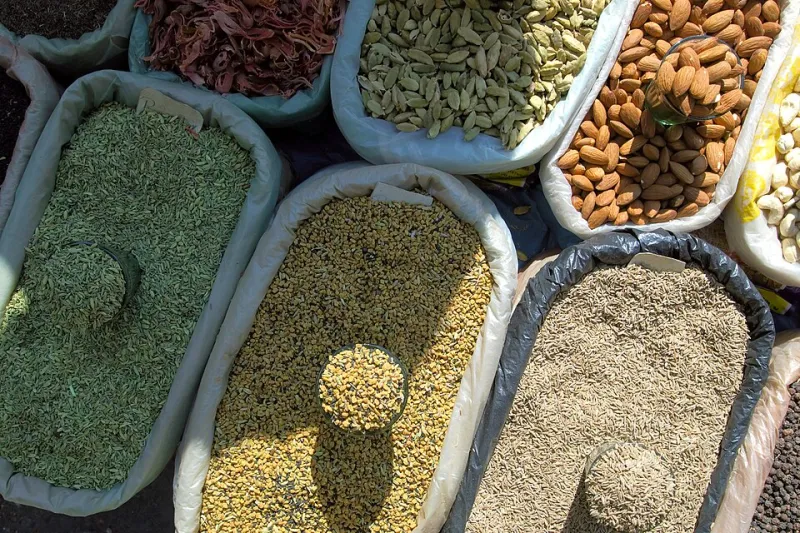
Photo: Vyacheslav Argenberg, CC BY 4.0, via Wikimedia Commons
Stand in a Mexican abuela's kitchen and then walk into an Indian grandmother's, and you'll notice something almost suspicious. Same sizzle of cumin hitting hot oil. Same brick-red chile paste blooming in the pan. Same pot of meat bubbling away for hours until it surrenders completely. It's not coincidence — it's history, trade routes, and a shared obsession with building flavor in layers. And once you see it, your spice rack will never look the same.
The Same Spices, Different Zip Codes
Start with the obvious: cumin. In India, it's jeera, cracked and toasted to start nearly every tadka. In Mexico, it's comino, ground into chorizo, mole, and every worthwhile pot of beans. It's the same seed, doing the same job — laying down an earthy, warm backbone that makes everything else taste more like itself.
Then there's the chile situation. Indian cooking leans on dried red chiles and cayenne for heat and color; Mexican cooking built an entire civilization around them — ancho, guajillo, árbol. Different peppers, same principle: chiles aren't just about fire, they're about fruitiness, depth, and that gorgeous rust-red sauce that defines both a rogan josh and a birria.
Even garlic, onion, and tomato — the holy trinity of both kitchens — show up doing identical work. A Mexican salsa de olla and an Indian masala base are, structurally, the same sauce: alliums browned, tomatoes cooked down, spices bloomed. The accents differ. The grammar doesn't.
Blame the Trade Routes
Here's the kicker: the chile itself — the soul of Indian heat — isn't native to India. It arrived via Portuguese traders in the 16th century, coming through the very same maritime routes that connected the Americas to the subcontinent. Before that, India had black pepper and ginger for heat. The chile went native so thoroughly that it's impossible to imagine butter chicken without it.
So when we say Indian and Mexican food are cousins, we mean it literally. Tomatoes, chiles, potatoes, even peanuts crossed the ocean and rewrote both cuisines. Your spice aisle is a museum of the Columbian Exchange, and nobody told you.
The Slow-Cooked Meat Connection
Consider birria: goat or beef marinated in a chile blend, seared, then braised for hours until it shreds with a glance, its fat reserved for crisping on the griddle. Now consider a good lamb bhuna or a Sunday rogan josh. Marinate. Sear. Braid with spices. Braise low and slow. The techniques are mirror images — both cuisines figured out independently that tough cuts + time + toasted spices = transcendence.
Fusion Recipes That Actually Make Sense
This isn't fusion for fusion's sake. These dishes work because the foundations are already aligned.
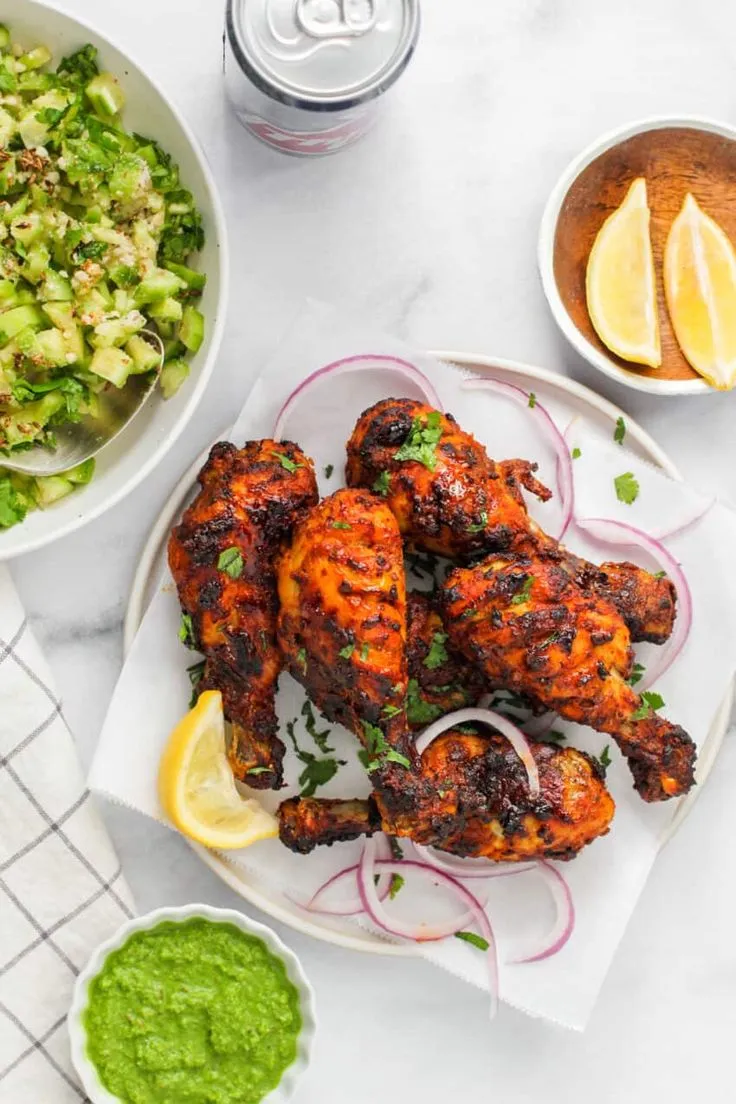
Tandoori Quesadillas: Marinate chicken thighs in yogurt, tandoori masala, ginger, and garlic. Grill or broil until charred, chop, then fold into a flour tortilla with pepper jack cheese and pickled red onions. The yogurt-marinated char of tandoori chicken plays perfectly with the tortilla's blistered crunch. Squeeze of lime. Done.
Garam Masala Birria ("Garrira"): Make a standard birria adobo — ancho and guajillo chiles, tomatoes, garlic — but add a teaspoon of garam masala and a stick of cinnamon to the blending chiles. The warming spice blend slots into the adobo like it always belonged there. Braise short ribs, shred, crisp in the reserved fat, and serve with consommé. Your guests will detect something mysterious and delicious and fail to name it.
Jeera Rice Burrito Bowl: Cumin-scented rice, black beans tempered with mustard seeds and curry leaves (a very Indian move that tastes right at home next to salsa), rotisserie chicken dusted with chaat masala, cilantro chutney standing in for crema. Lunch in ten minutes.
Masala Elote: Char corn, slather with mayo and lime, then swap the Tajín for a sprinkle of chaat masala and black salt. The tangy, sulfurous edge of kala namak does to elote what it does to fruit chaat — makes it impossibly addictive.
One Rack, Two Repertoires
The practical upshot for the American home cook: if you're already stocking cumin, coriander, dried chiles, cinnamon, and cloves for Indian cooking, you're about 80 percent of the way to competent Mexican cooking. Toast the cumin whole for Mexican dishes and grind it fresh; bloom your chiles in hot water before blending; salt in layers, not at the end.
The reverse is true too. Anyone who's mastered building a salsa can handle a chutney. Anyone who can crisp birria on a comal can handle a tawa paratha.
Two of the world's greatest cuisines, separated by twelve thousand miles, whispering the same instructions. Your kitchen is the place they finally meet — and honestly, the food they make together tastes like it was always meant to be.