From Pantry to Palace: Build Your Own Spice Blends the Royal Way
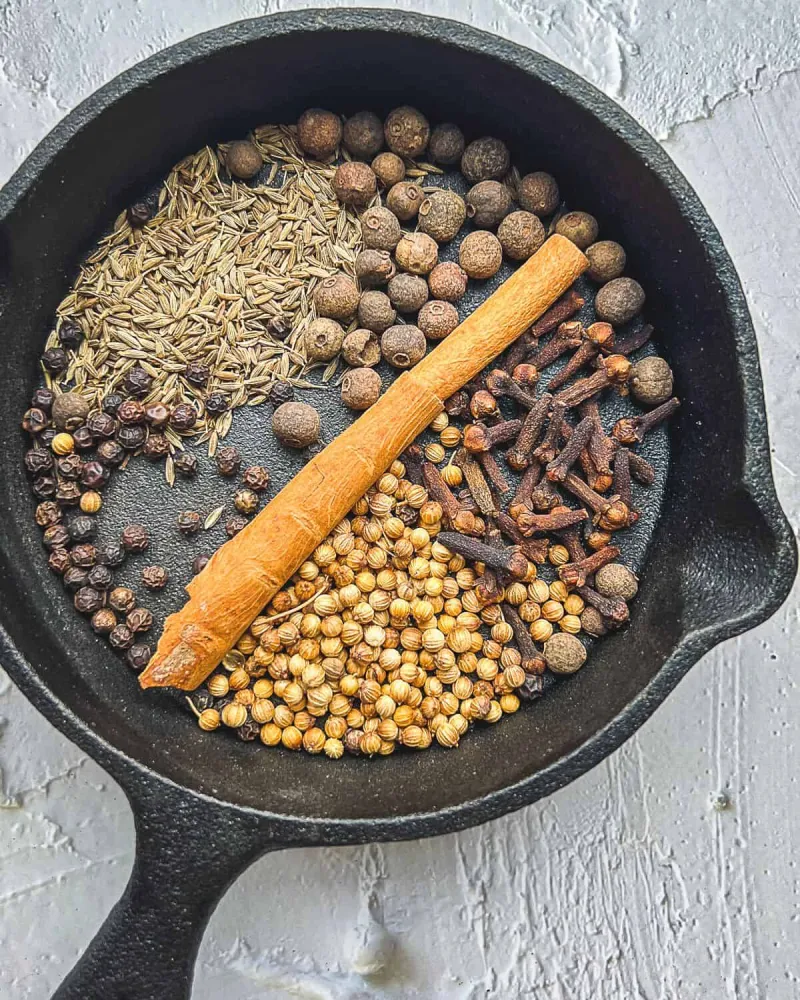
Photo: whole spices toasting in cast iron skillet mortar and pestle, via urbanfarmandkitchen.com
Every time I eat at a really good Indian restaurant, I play the same game: what is that flavor? It's warm and nutty and somehow tastes like it's been simmering for days. The answer, almost every time, isn't a secret ingredient. It's whole spices, toasted and ground fresh.
Here's the part nobody tells you: you can do this in your own kitchen in about fifteen minutes, with equipment you probably already own. No chef's training, no second mortgage for a spice importer. Just a few smart habits that turn average weeknight food into something that tastes expensive.
Why Whole Spices Beat the Jar Every Time
Pre-ground spices start losing their aromatic oils the moment they're milled — think of ground cinnamon like an opened bag of coffee that's been sitting out for months. Whole spices, on the other hand, hold those oils locked inside until you crack them. That's why a freshly ground blend hits completely different. It's the difference between a flavor suggestion and a flavor statement.
The Toast: Where the Magic Actually Happens
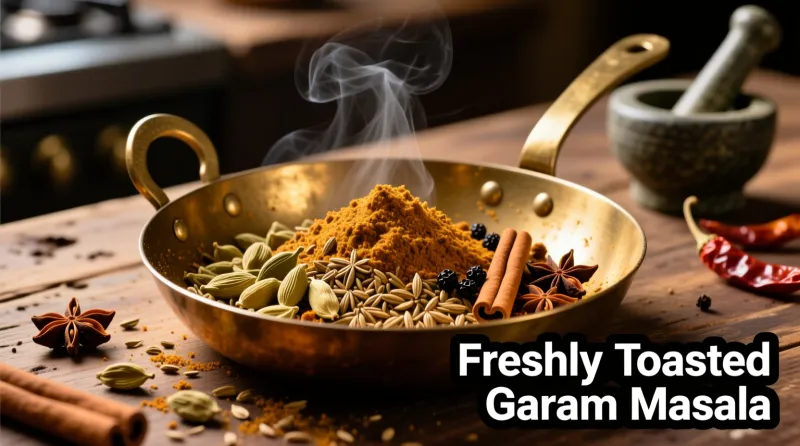
Toasting wakes spices up. The heat pushes those essential oils to the surface, deepens the color, and adds a nutty warmth you simply can't fake.
How to do it right:
- Use a dry, heavy skillet — cast iron is perfect if you have it.
- Keep the heat at medium-low. Patience beats impatience here.
- Add whole spices in order of size: big seeds first (cumin, coriander, cardamom pods), delicate stuff last (dried chilies, curry leaves).
- Stir or swirl constantly. This is not a set-it-and-forget-it situation.
Rough timing guide:
- Cumin and coriander seeds: 2–3 minutes, until they smell earthy and your kitchen smells amazing
- Cardamom and cloves: 1–2 minutes — these burn fast, so stay close
- Dried red chilies: 30–60 seconds per side, just until they're glossy and fragrant
- Peppercorns and fennel: 1–2 minutes, until lightly aromatic
The universal rule: when it smells like the spice itself but louder, pull it. If it smells bitter or acrid, you've gone too far — start over. Burnt spices can't be saved.
The Grind: Equipment for Every Budget
You don't need a $400 stone grinder. You need one of these:
- The $15 option: A dedicated blade coffee grinder. Buy a cheap one, label it "SPICES ONLY," and never let coffee near it again. This is what most home cooks in India actually use.
- The $30–60 option: A small electric spice grinder with removable cups — easier to clean between blends.
- The workout option: A heavy-duty mortar and pestle. Slower, but honestly meditative, and it gives you more control over texture.
Grind in short pulses rather than a long whir — you want control, not spice dust. And let the toasted spices cool completely first, or trapped steam will clump everything up.
The Storage Mistakes That Kill Your Hard Work
You did everything right, and then you stored your blend next to the stove. Don't do that. Heat, light, and moisture are the three horsemen of dead spices.
Do this instead:
- Use small airtight glass jars, not plastic (spices' oils can absorb odors and leach into plastic)
- Keep them in a cool, dark drawer or cabinet — never above the stove or in a sunny windowsill
- Label with the date. Fresh-ground blends are at their peak for about 2–3 months; whole toasted spices last longer, up to 6 months
- Skip the fridge — condensation is the enemy
Your First Blend: A 5-Minute Royal Starter
Try this to get your feet wet. Toast, then grind:
- 2 tbsp cumin seeds
- 2 tbsp coriander seeds
- 1 tbsp black peppercorns
- 1 tsp fennel seeds
- 5 green cardamom pods, seeds removed
- 2 dried red chilies
- ½ tsp whole cloves
That's a flexible everyday blend — shake it onto roasted vegetables, stir it into rice, rub it on chicken thighs before they hit the oven.
Once you taste the difference fresh grinding makes, there's no going back. The jar of pre-ground garam masala in the back of your cabinet? It had a good run.