The Great Desi Grocery Crawl: How to Find Real Spices in Any American City
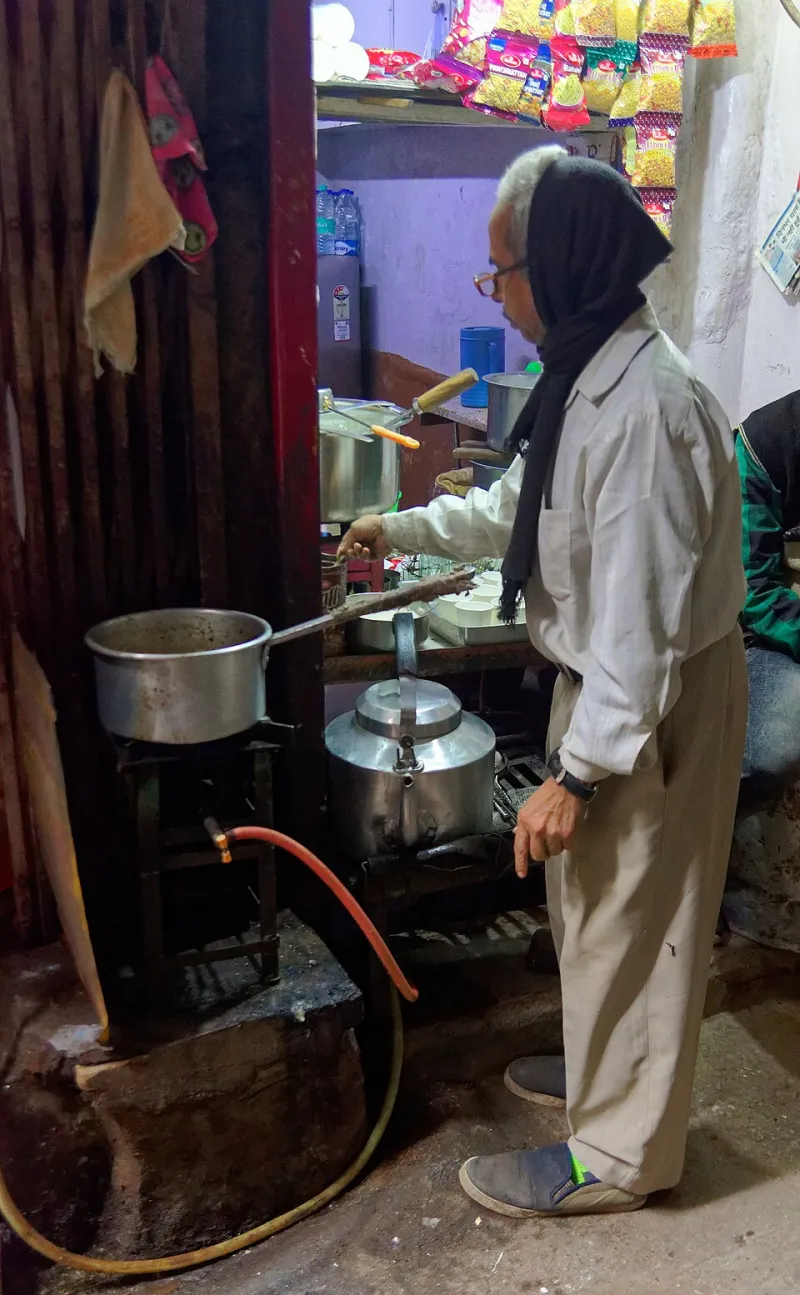
Photo: Hrittick Mondal, CC0, via Wikimedia Commons
Let's be honest: the spice aisle at your average American supermarket is a graveyard. Little glass jars, $6 a pop, ground sometime during the previous presidential administration, smelling faintly of nothing. If that's your only frame of reference for buying spices, no wonder your curry tastes like a rumor of itself.
Here's the good news: you don't need to live in Edison, New Jersey or drive to Devon Avenue in Chicago to stock a proper masala drawer. You need a strategy. And that strategy changes depending on what city you're standing in. So let's do the crawl.
Tier One: The South Asian Supermarket (If You Have One, Start Here)
If there's a Patel Brothers, Apna Bazaar, India Bazaar, or any grocery with a sign in English, Hindi, and Urdu within driving distance, congratulations — you've won the spice lottery before you've even left the driveway.
These stores are the difference between paying $4 for 2 ounces of jarred turmeric and paying $3 for a full pound of it. Same spice, radically different economics. The bags and boxes are bigger, the turnover is faster (more on why that matters in a second), and the selection will make your head spin: a dozen brands of chili powder, five kinds of cardamom, whole nutmeg loose in bins.
A few rules of engagement for your first trip:
- Go for the whole version whenever you can. Whole cumin seeds, coriander seeds, dried red chilies, cardamom pods, cloves, cinnamon bark. Whole spices hold their essential oils far longer than ground ones — we're talking a year versus a few months. Toast and grind at home and you've instantly outclassed anything off a grocery shelf.
- Check the brand names you'll see again and again. Everest, MDH, Badshah, Shan, and Niru are the workhorses. These are the same blends actual aunties and actual restaurants use. If a pre-made blend is good enough for someone's grandmother, it's good enough for your Tuesday dal.
- Buy rice and lentils while you're there. Basmati in big cloth sacks, toor dal, chana dal, moong dal — all dramatically cheaper than the sad little bags at your regular store.
Tier Two: The Big-Box Hidden Aisles
No desi grocery nearby? Don't despair. Walmart, Target, and even Kroger have quietly expanded their international sections over the last decade, and the pickings are better than most people realize.
At Walmart, look for the Sadaf and Badia lines in the international aisle — solid, inexpensive whole spices. Many locations now stock actual MDH garam masala and Everest turmeric alongside the taco seasoning. Check both the regular spice aisle and the international one; the same product is often cheaper in the international section, which is one of retail's quietest scams.
Trader Joe's deserves a special mention. Their spices are small-batch and turn over fast, which means freshness you won't find in big jars elsewhere. Their curry powder isn't authentically Indian (no curry powder is — it's a British invention), but their whole green cardamom, cinnamon, and turmeric are legitimately good. It's a swap, not a shrine, but it works.
Tier Three: The Middle Eastern, Mexican, and African Grocery Detour
Here's the move nobody tells beginners: Indian spices hide in other cuisines' stores.
- Middle Eastern groceries carry excellent cumin, coriander, dried limes, sumac, and cardamom — all staples of North Indian cooking too.
- Mexican markets are your friend for dried chilies (though note: Mexican and Indian chili powders are different beasts — Mexican varieties like guajillo and ancho are fruitier, Indian chili powder is hotter and brighter red).
- African and Caribbean shops often stock ginger, turmeric root, and scotch bonnets at prices that'll make you laugh.
The spice world is a Venn diagram. Shop the overlap.
How to Spot Freshness When You Can't Read the Label
So you're standing in front of a wall of packages covered in Bengali script. Which bag do you grab? Forget the words. Use your senses.
Smell is everything. If the store has bulk bins or open packages, give them a sniff. Cumin should smell warm and almost citrusy. Cardamom should hit you with eucalyptus and floral sweetness. If you have to work to smell anything, keep walking.
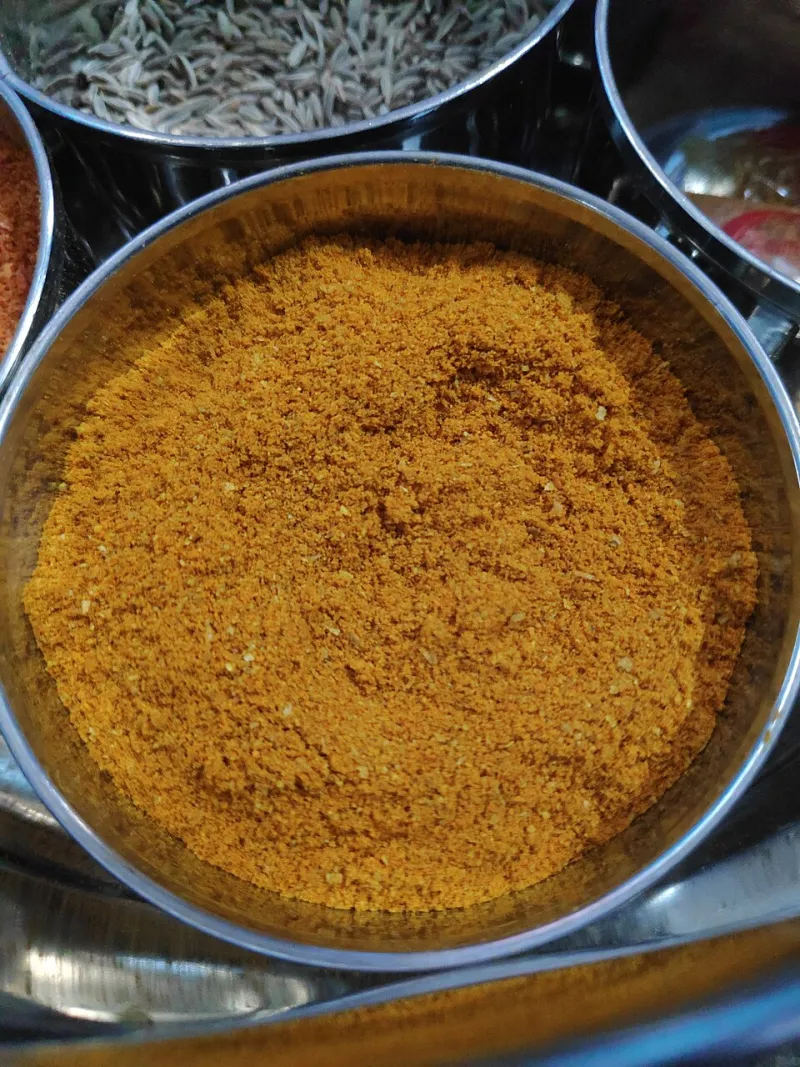
Look at the color. Turmeric should be a deep, almost radioactive golden yellow. Chili powder should be vivid red — brick-colored or brownish powder is old powder. Green cardamom pods should actually be green, not tan or gray.
Check the packaging dates. Many Indian brands print both a manufacturing and expiry date. Less than a year since manufacturing? Great. No date at all? Hold it to the light — if you can see through a bag of whole spices and nothing looks dusty or clumped, you're probably fine.
Feel the weight. Whole spices should feel hard and dense. Lightweight, rattly cardamom pods have given up their oils already.
The City-by-City Cheat Sheet
Every major American metro has its spice corridor. A quick field guide:
- New Jersey: Iselin/Edison's Oak Tree Road is arguably the densest strip of Indian groceries in the country. Make a day of it.
- Chicago: Devon Avenue on the North Side — spice shops, sweet shops, and everything in between.
- Houston: The Hillcroft corridor and the Mahatma Gandhi District.
- The Bay Area: Fremont and Sunnyvale, full stop.
- Atlanta: Decatur's Clarkston area and the strip malls along Lawrenceville Highway.
- Texas, Florida, Georgia, the Carolinas: Even mid-size cities almost always have at least one Indian grocery tucked into a suburban strip mall. Search "Indian grocery near me," filter for 4+ stars, and go.
- Truly stranded? Online retailers carry the same brands for a small premium. It's not the crawl, but it'll do.
Your First-Trip Shopping List
Don't overthink it. Grab these and you can cook 80% of the Indian recipes on this site:
- Whole cumin seeds
- Whole coriander seeds
- Turmeric powder (this one's fine pre-ground)
- Kashmiri chili powder
- Green cardamom pods
- Whole cloves and cinnamon bark
- Bay leaves (Indian ones are bigger and more fragrant)
- A big bag of basmati
- Toor dal and chana dal
- One box of MDH or Everest garam masala as a backup while you build your own blend
That's it. Under $30, and you've just upgraded every meal you'll cook this month. The royal treatment starts in the pantry aisle — you just had to know which aisle to walk down.