No Island? No Problem: Building a Masala Station in a Kitchen the Size of a Parking Spot
Photo: Hine, Lewis Wickes; National Child Labor Committee Collection, Public domain, via Wikimedia Commons
Let's kill a myth right now: you do not need a big kitchen to cook big, authentic Indian food. You need maybe two square feet of strategy and the willingness to stop hiding your spices in a cabinet you open once a week.
The idea that masala cooking requires space probably comes from cooking shows with kitchen islands bigger than studio apartments. Real home cooks in Mumbai and Delhi work in kitchens smaller than your closet. What they have that you don't isn't square footage — it's a system. Here's how to build yours in a rental.
The Spice Throne: Your Counter's New Landlord
The single highest-leverage move for a small kitchen is a countertop spice station — what we're calling the spice throne. Not a rack shoved in a cabinet. On. The. Counter.
Why? Because the number one reason people don't cook Indian food midweek isn't skill. It's friction. If your cumin is in a cabinet behind the slow cooker, you're ordering takeout. If it's an arm's reach from the stove, dal happens in 25 minutes.
A two-tier bamboo or steel spice rack fits in roughly 12 x 8 inches of counter space. That's it. If your counter is truly at capacity, a magnetic strip on the fridge with steel tins works brilliantly and takes up zero surface area.
The Five Blends That Earn Permanent Residency
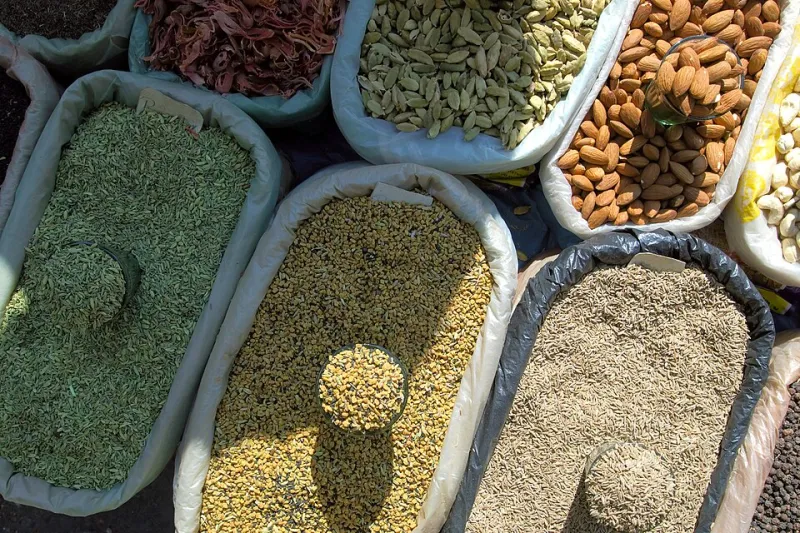
You don't need forty jars. You need a starting five that covers 80 percent of weeknight cooking:
- Garam masala — the finisher. Goes in at the end of curries, on roasted vegetables, into scrambled eggs.
- Ground cumin + whole cumin seeds — yes, technically two, but they're a package deal. Seeds for tempering oil, powder for body.
- Turmeric — non-negotiable. Color, earth, and the base of roughly everything.
- Chaat masala — the secret weapon. Sprinkle on fruit, eggs, roasted anything. Instant flavor with zero effort.
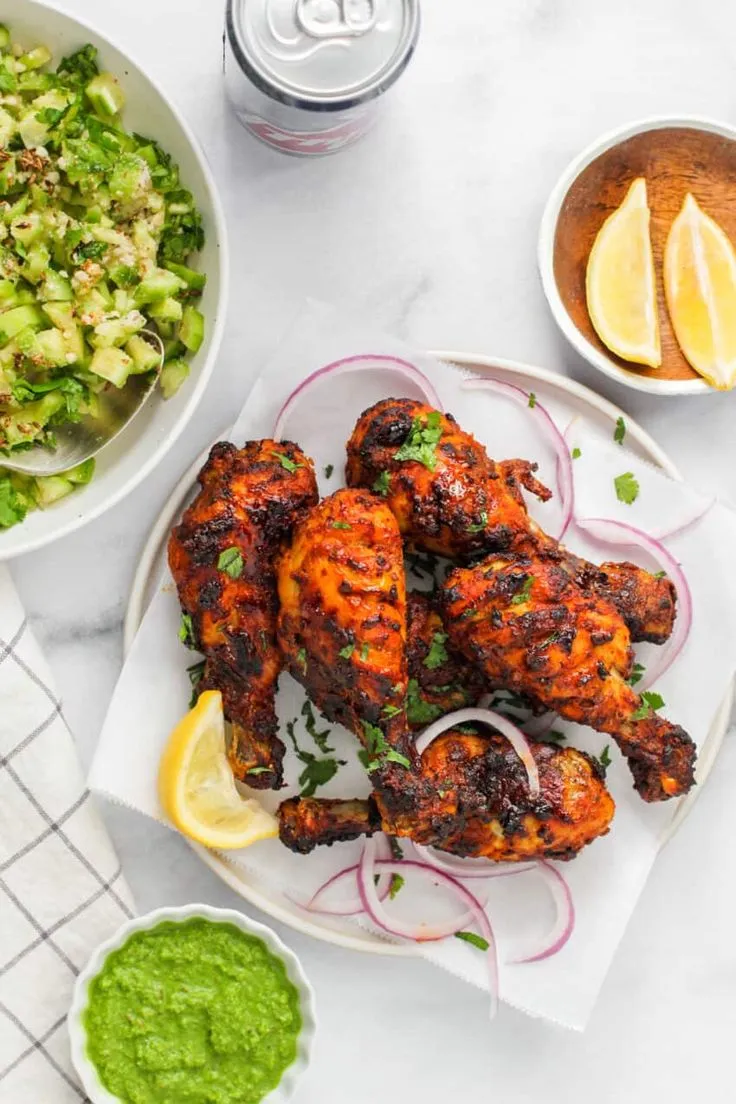
- Tandoori or curry masala of your choice — your one marinating blend for yogurt-based weeknight proteins.
Everything else — coriander, cardamom, cloves, mustard seeds — can live in a drawer backup stash and get refilled into your throne tins.
Drawer Hacks for Tiny Kitchens
If counter space is genuinely impossible, a drawer insert changes everything. Bamboo drawer organizers with adjustable dividers (available at any home goods store or online for under $20) turn a junk drawer into a spice library where every tin is visible at a glance.
Two pro moves:
- Decant into uniform tins. Matching 2-3 oz magnetic tins or square jars use space far more efficiently than mismatched grocery-store bottles, which are designed to waste air.
- Label the lids. Ground spices all look like powder. A paint pen on the lid saves you from the cumin-paprika tragedy we've all experienced.
The Gear You Actually Need (Spoiler: Almost Nothing)
Rental kitchens don't need a masala dabba, a wet grinder, and a dedicated spice cabinet. The real shortlist:
- One cheap coffee grinder ($15) dedicated to spices. This is the entire difference between flat food and vivid food.
- One small tempering pan or just your smallest saucepan. Blooming whole spices in hot oil takes 30 seconds and no special equipment.
- Airtight containers you already own. Mason jars work. Stop buying organizers; start buying cumin.
The Mindset Shift
Here's the opinion part: the "I don't have the kitchen for it" excuse is really "I don't have the system for it." A chef in a compact city kitchen with a working spice station will out-cook someone with a sprawling suburban kitchen and spices lost in a black hole cabinet every single time.
Two square feet. Five blends. One grinder. That's the whole kingdom. Royalty, as it turns out, is a state of organization — not a floor plan.