Don't Toss That Jar: A Zero-Waste Guide to the Bottom of Your Masala Shelf
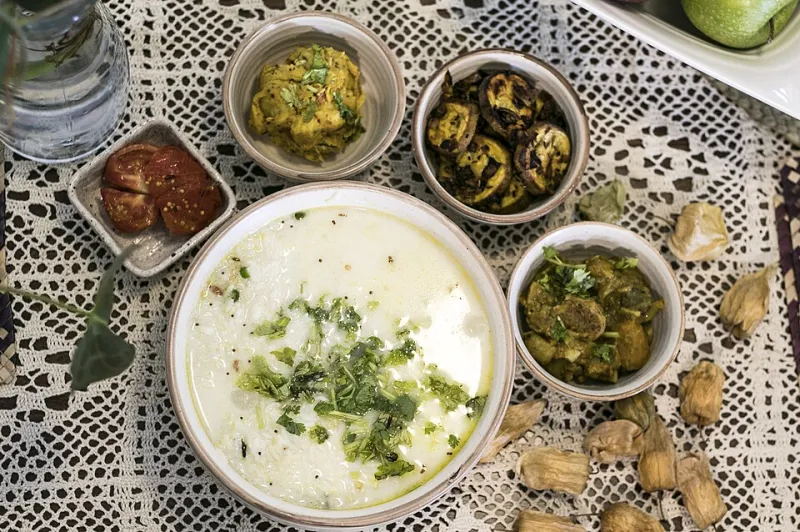
Photo: Subhashish Panigrahi, CC BY-SA 4.0, via Wikimedia Commons
Every American kitchen has one: the graveyard shelf. The jar of cardamom you bought for one recipe three years ago. The cinnamon sticks that have fused into a single logs-shaped unit. The turmeric tin with maybe a tablespoon of fragrant dust rattling around the bottom.
Here's the thing your grandmother knew and your grocery bill is about to confirm: none of that is trash. In traditional South Asian kitchens, where spices were ground at home and nothing came in convenient throwaway containers, wasting masala was practically a sin. Spices were money. Spices were medicine. You used every last pinch.
Adopting that mindset today isn't just sentimental — it's a legit budget strategy. Quality spices aren't cheap, and the average American household tosses out a surprising amount of usable pantry goods every year. Let's fix that.
First, Figure Out What's Actually Dead
Before you get creative, do a quick triage. Ground spices don't spoil so much as fade. If a spice has lost its aroma entirely — stick your nose in the jar, give it a sniff — it's not going to hurt you, but it won't help you either. Whole spices (cardamom pods, cinnamon sticks, cloves, dried chilies) last far longer than ground ones, sometimes years, so don't be hasty with those.
The real zero-waste move, though, is that even "faded" spices have second lives. They're weaker, sure. So use more of them, or use them in applications where aroma matters less than color or bulk.
Masala-Salted Nuts: The Party Snack That Clears Out Your Cabinet
This is the single best way to use up small amounts of many different spices. Grab whatever's lingering — a half teaspoon of cumin, some dusty turmeric, a pinch of chili powder, the crumbs from the garam masala jar.
Toss two cups of raw almonds, cashews, or peanuts with a tablespoon of oil, then add your spice medley plus a generous pinch of salt. Roast at 325°F for 12–15 minutes, stirring once. The fat and heat bloom whatever life is left in those spices, and suddenly you've got a snack that would cost $9 at a fancy grocery store.
It's also endlessly customizable. More chili for game day, extra cinnamon for a holiday tin, whatever. You're literally making flavor out of what would've been landfill.
Masala Simple Syrup: Yes, Really
If you've got sweet-leaning spices on their way out — cardamom, cinnamon, star anise, even a bit of dried ginger — simmer them in equal parts sugar and water for ten minutes, then strain. What you've made is a spiced syrup that turns ordinary things into something special: drizzle it over pancakes, stir it into cold brew, spike a bourbon cocktail, or pour it over vanilla ice cream with some chopped pistachios.
Cardamom syrup in particular is a quiet flex. It costs almost nothing to make and tastes like something from a trendy café. Bonus points if you use the syrup to sweeten your chai instead of plain sugar.
The Fridge Trick: Spiced Salt and Butter
Two more workhorses for tired spices:
- Spiced salt: Grind up faded spices with coarse salt. Rub it on roast chicken, sprinkle it on fries, season your eggs. Weak spices still contribute color and a whisper of flavor, and salt carries them further than you'd expect.
- Masala butter: Soften a stick of butter, mix in your spice odds and ends plus salt and a squeeze of lemon, roll it in plastic wrap, and refrigerate. Melt it over corn on the cob, roasted potatoes, or naan you picked up from the store.
Cinnamon Ends and Stale Pods: Think Outside the Recipe
Not every leftover spice needs to be eaten. Those fused cinnamon sticks and exhausted cardamom pods have jobs around the house:
- Stovetop potpourri: Simmer cinnamon ends, cloves, and cardamom in a pot of water on low. Your kitchen smells like a bakery for hours. Refill the water as needed — the spices will keep releasing scent for a couple of days.
- Coffee upgrade: Drop a spent cinnamon stick into your coffee grounds before brewing. Subtle, warm, and free.
- Rice saver: Tuck a few dried chilies or bay leaves into your rice container the way many South Asian households do — a traditional trick to help deter pantry pests.
The Bigger Picture: Cook Like Nothing Gets Wasted
The real lesson from traditional kitchens isn't a list of hacks — it's a habit. Buy whole spices when you can; they last longer and you grind only what you need. Store everything in airtight containers away from the stove's heat. Label jars with purchase dates so you can rotate instead of forget.
And when you're down to the last gram of something? That's not the end of a jar. That's an invitation to make spiced nuts, mix a syrup, or simmer a pot of potpourri that makes your whole apartment smell like a royal kitchen.
Your spice shelf isn't a graveyard. Treat it like a pantry, and it'll pay you back — pinch by pinch.