Seal the Pot, Steal the Throne: A Dum Biryani You Can Actually Make on a Tuesday

Photo: TAPAS KUMAR HALDER, CC BY-SA 4.0, via Wikimedia Commons
There's a moment in every great biryani that happens before anyone takes a bite: the seal. You press dough (or foil, we'll get to that) over the pot, and for the next half hour, steam has nowhere to go but back into the rice. That's dum cooking — the Mughal technique that turns separate components into one perfumed, layered dish.
The good news? You don't need a handi, a tandoor, or a grandmother's patience. You need a heavy-bottomed Dutch oven, a bag of basmati, and a willingness to trust the process.
Why Layering Is the Whole Point
Biryani isn't a stir-together dish. The layers — rice, meat, masala, rice again — each cook in a slightly different microclimate inside the sealed pot. The bottom absorbs the richest masala. The top stays fluffy and separate, each grain distinct. Saffron milk drizzled over the top bleeds color downward as steam rises and falls.
Stir it all together like fried rice and you get... mush with good flavor. The texture contrast is the dish.
The Blueprint, Step by Step
1. Par-cook the rice (70% done, no more). Boil basmati in generously salted water with a bay leaf, a few cardamom pods, and a splash of vinegar — yes, vinegar. It keeps grains firm. Pull the rice when it bends but still has a chalky center, about 5–6 minutes for most US grocery store brands. Undercook it; the dum finishes the job.
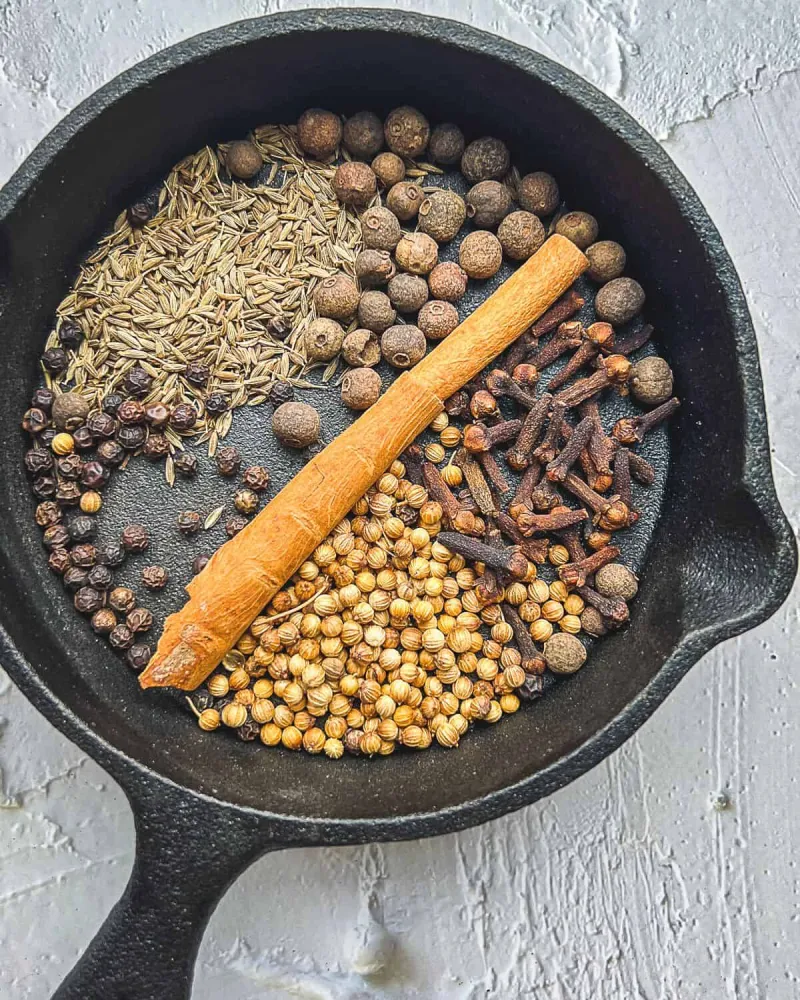
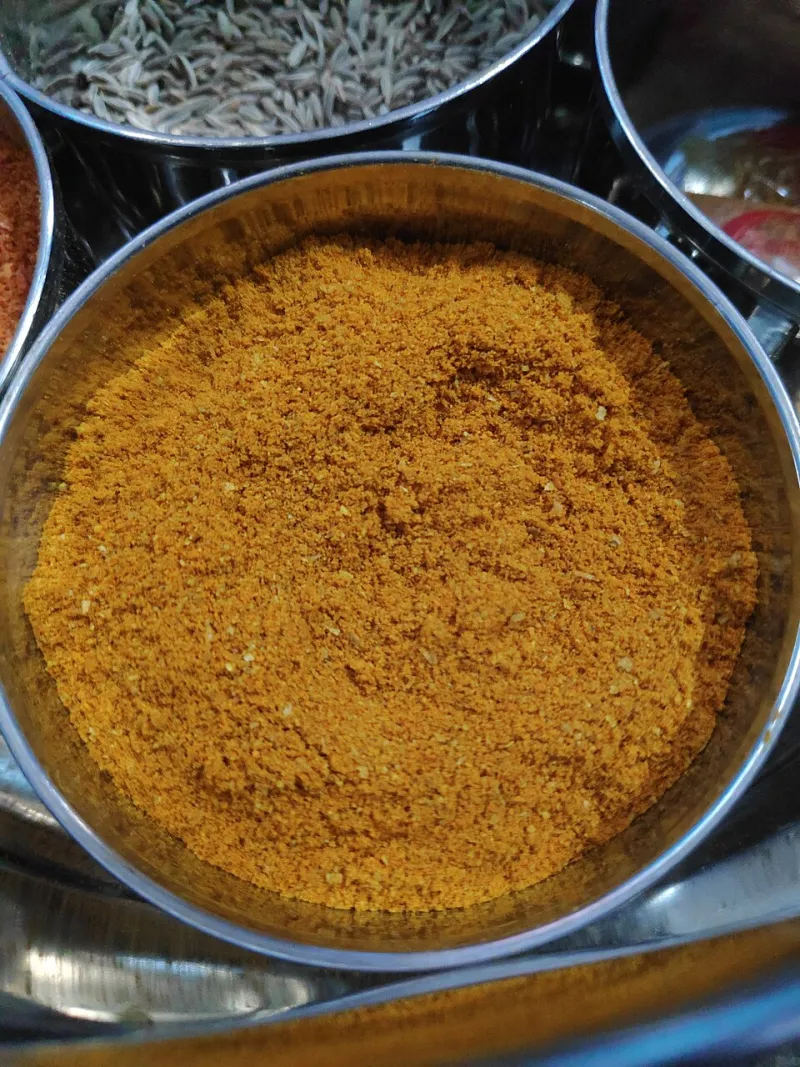
2. Build the meat base. Marinate chicken thighs (or lamb shoulder if you've got time) in yogurt, ginger-garlic paste, and a biryani-style masala — think fried onions, ground coriander, chili, and a hit of garam masala. Layer it in the bottom of your Dutch oven while the rice drains.
3. Stack with intention. Half the rice over the meat. Scatter mint, cilantro, and fried onions. Remaining rice on top. Finish with saffron bloomed in warm milk, a drizzle of ghee, and more fried onions.
4. Seal it. Traditional cooks use a dough rope around the lid. In practice, a sheet of foil pressed under the lid works beautifully. Crimp it tight — you want to trap every wisp of steam.
5. Low and slow. Five minutes on medium to get things moving, then the lowest flame your stove allows for 30–40 minutes. Rest, sealed, another 10.
Real-World Troubleshooting
"My electric stove won't go low enough." Classic problem. Put a cast-iron skillet or tawa on the burner, then set the pot on top of that. Instant heat diffuser.
"My rice turned to paste." You went past 70%. Cook the rice less than feels safe, and spread it on a tray to cool briefly before layering — it stops carryover cooking.
"Basmati at my store is hit or miss." Look for aged basmati (brands like Daawat or Zafarani show up in most US supermarkets and Indian groceries). Rinse it three or four times until the water runs clear, then soak 30 minutes. This one step does more for grain separation than anything else.
"No saffron budget." Soak a pinch of turmeric in warm milk for color, and lean on the fried onions and whole spices for aroma. It won't be identical, but it'll be honest.
The 45-Minute Weeknight Version
Use boneless chicken thighs, skip the long marination (10 minutes while the rice soaks), and use store-bought fried onions from the Middle Eastern or South Asian aisle. Do everything in one pot, layer as above, seal with foil, and steam just 20 minutes. It's not the ceremonial version — but served with plain yogurt and a squeeze of lime on a Wednesday night, it earns the word shahi.
The first time you crack that seal and the aroma hits the kitchen, you'll understand why cooks have guarded this technique for centuries. Royal, indeed.