Write It Down Before It's Gone: Saving Your Family's Masala Knowledge
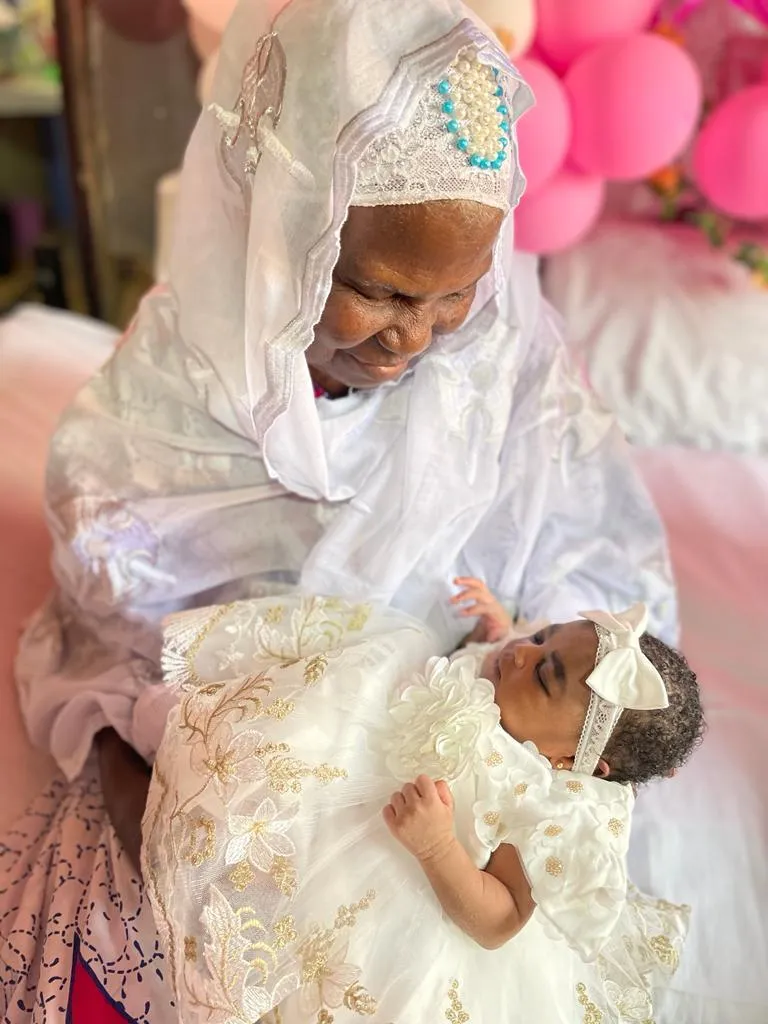
Photo: Sir Amugi, CC BY-SA 4.0, via Wikimedia Commons
Ask your mom how much cumin goes in her biryani and you'll get one of two answers: a shrug, or the word that haunts every second-generation cook — andaza. Approximation. Judgment. A pinch that somehow means different things depending on the weather, the pot, and her mood.
Andaza is beautiful. It's also why your biryani doesn't taste like hers, and why it never will — unless you do something about it.
The Quiet Crisis in Our Kitchens
Here's the uncomfortable truth: most of the masala knowledge in South Asian families was never written down. It passed from hand to hand, eye to eye, over decades of standing in the same kitchen watching someone cook. Grandmothers measured with their palms. Mothers knew a curry was done by the sound of the oil separating from the masala, not a timer.
That transmission system worked beautifully — right up until it collided with American life. Kids grew up in suburbs an hour from the nearest desi grocery. Parents worked double shifts. The daily kitchen apprenticeship that produced the last fifty generations of cooks simply stopped happening, and nobody noticed until it was too late.
The result? An entire generation that loves the food but can't recreate it. Who reaches for a jar instead of a spice tin. Who will, in twenty years, have nothing to pass down except a photo of a dish they can't make.
That's not just sad. That's a loss of cultural inheritance — and it's entirely preventable.
How to Document a Cook Who Doesn't Measure
You cannot hand your mother a recipe template and expect magic. She doesn't work in teaspoons. So meet her where she is. Here's the framework we recommend.
Step 1: Cook Beside Her With a Notebook
Don't ask her to dictate a recipe. Ask to cook with her, and write down everything as it happens. "Two tablespoons of oil — she poured until the pan glistened." "She added coriander 'until the raw smell left' — about 90 seconds."
Step 2: Convert Senses Into Signals
Every andaza has a physical tell behind it. Your job is translation:
- "Cook until the oil separates" = the fat breaks and pools at the edges of the masala, usually 8–12 minutes on medium.
- "Salt to taste" = she added roughly one teaspoon per pound of vegetables, then adjusted.
- "Add water as needed" = about half a cup, in stages, when the pan dries out.
Step 3: Weigh Everything Once
Sneak a kitchen scale into the session. When she says "some onions," weigh the onions. You only need one data point to reverse-engineer her instincts later.
Step 4: Name the Blend
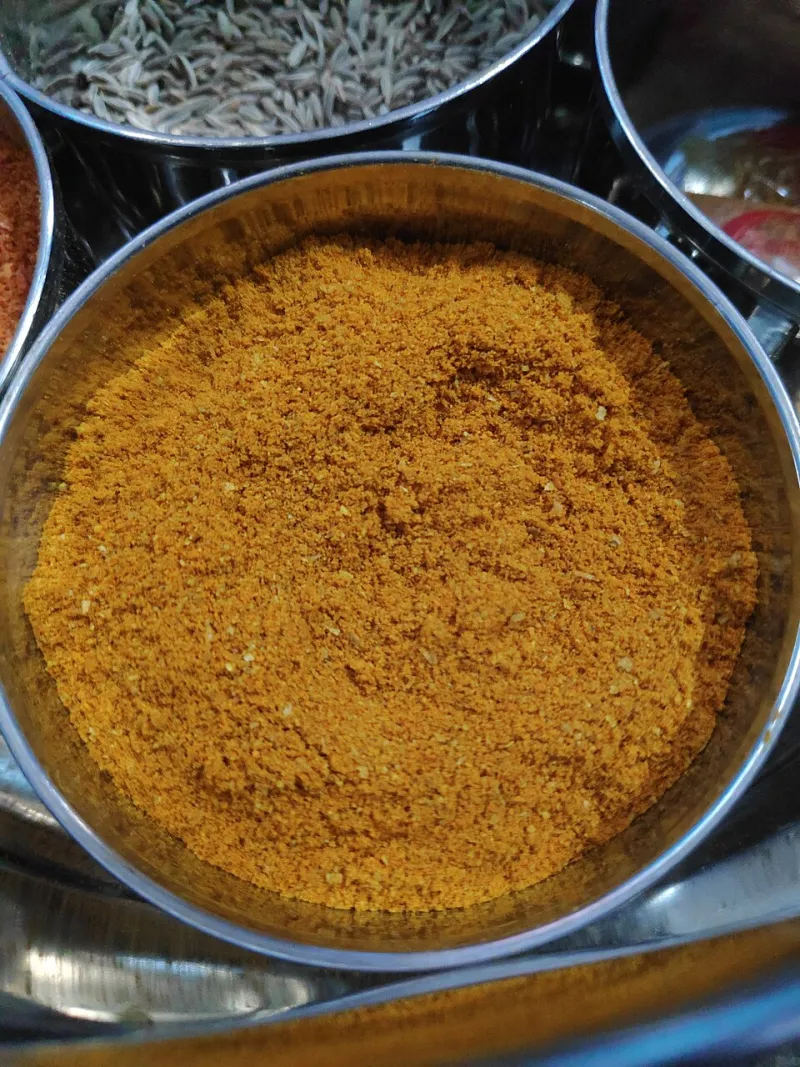
If she toasts and grinds her own garam masala, capture the ratio — clove to cardamom to cinnamon, by the whole piece. That single recipe is often the crown jewel of a family's spice knowledge, and it's the one most likely to vanish.
Honor the Tradition, Then Live In It
Documenting doesn't mean freezing the recipe in amber. Your grandmother cooked with what she had — seasonal produce, specific regional ingredients, a stove different from your electric coil. Adapting is what the tradition is.
Maybe her curry leaves are hard to find in your city; a blend built on quality ground spices gets you remarkably close. Maybe you batch her masala base on a Sunday and freeze it, because she had all day and you have forty minutes on a Wednesday. That's not betrayal. That's evolution — the same way her grandmother adapted recipes her mother never wrote down either.
The point isn't perfection. The point is that someday, someone in your family will stand in a kitchen wanting to taste home — and because you wrote it down, they can.
Do it this weekend. Call first. Bring the notebook. Andaza won't wait forever.