The Tadka Test: Why Your Next Kitchen Upgrade Costs $20, Not $400
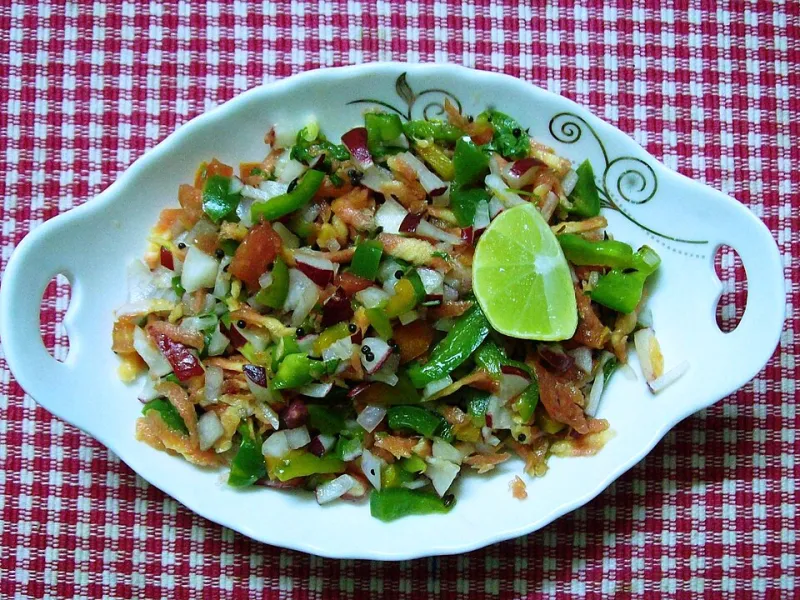
Photo: Rajendra prabhune, CC BY-SA 4.0, via Wikimedia Commons
We need to talk about your kitchen. Somewhere in it is a $300 multi-cooker, an air fryer taking up a full cabinet shelf, and maybe a pricey Dutch oven you bought after one too many recipe videos. And yet your dal still tastes... fine. Not transcendent. Fine.
Here's the uncomfortable truth from a thousand Indian home kitchens: the gap between fine and unforgettable was never about equipment. It's about a technique that costs nothing and takes ninety seconds — the tadka, also called the chonk, baghar, or tempering.
What a Tadka Actually Is
A tadka is whole spices bloomed in hot fat — usually ghee or oil — until they crackle, darken slightly, and release their aromatic oils into the fat itself. That fragrant fat then gets poured over a dish, or the spices are bloomed at the start of cooking to build its entire foundation.
Cumin seeds hit the oil and sputter. Mustard seeds pop like tiny fireworks. Dried red chilies blister. Curry leaves crisp. In under two minutes, plain oil becomes a flavor delivery system that no powdered spice blend, no matter how expensive, can imitate. The aroma alone will pull people into your kitchen.
Why Your Gadgets Can't Do This
Air fryers are convection ovens with good marketing. Instant Pots are pressure cookers with Wi-Fi. Both are genuinely useful — but neither can bloom spices in fat, because neither lets you watch, hear, and respond to spices in real time. A tadka is a conversation between you and the pan. The sizzle tells you the fat is ready. The smell tells you when to add the next ingredient. No machine has that feedback loop.
This is also why the kadhai — a rounded, deep wok-like pan — remains the workhorse of Indian home cooking. It doesn't need to be expensive. A $20 carbon steel or cast iron kadhai will outlast every gadget you own and get better with every meal, developing the kind of seasoned surface nonstick pans can only dream about.
Your First Tadka: A 90-Second Guide
Grab a small pan — even a butter-melting saucepan works — and try this over a pot of plain dal or rice:
-
Heat 2 tablespoons of ghee or neutral oil over medium heat. Wait until it shimmers. Impatience here is the #1 beginner mistake — cold fat means bland spices.
-
Add 1 teaspoon cumin seeds. They should sizzle immediately and darken within 20–30 seconds. If they don't sizzle, your fat isn't ready. If they blacken instantly, pull the pan off the heat.
-
Add aromatics in order of hardness. Dried chilies or mustard seeds first, then ginger or garlic, then fresh curry leaves last (they'll spit — stand back).
-
The moment it smells nutty and toasty — about 10 seconds after the garlic — pour the whole thing over your dish. Scrape the pan. That spiced fat is the point. Hesitate and the garlic burns, and burned garlic is bitter, period.
The Rule Worth Adopting
Before any future kitchen purchase, ask one question: can this thing do a tadka? If the answer is no, you probably don't need it yet. Master the sizzle first. The gear can wait — your grandmother's spice practice already knew that.